Click on the scores to enlarge or download
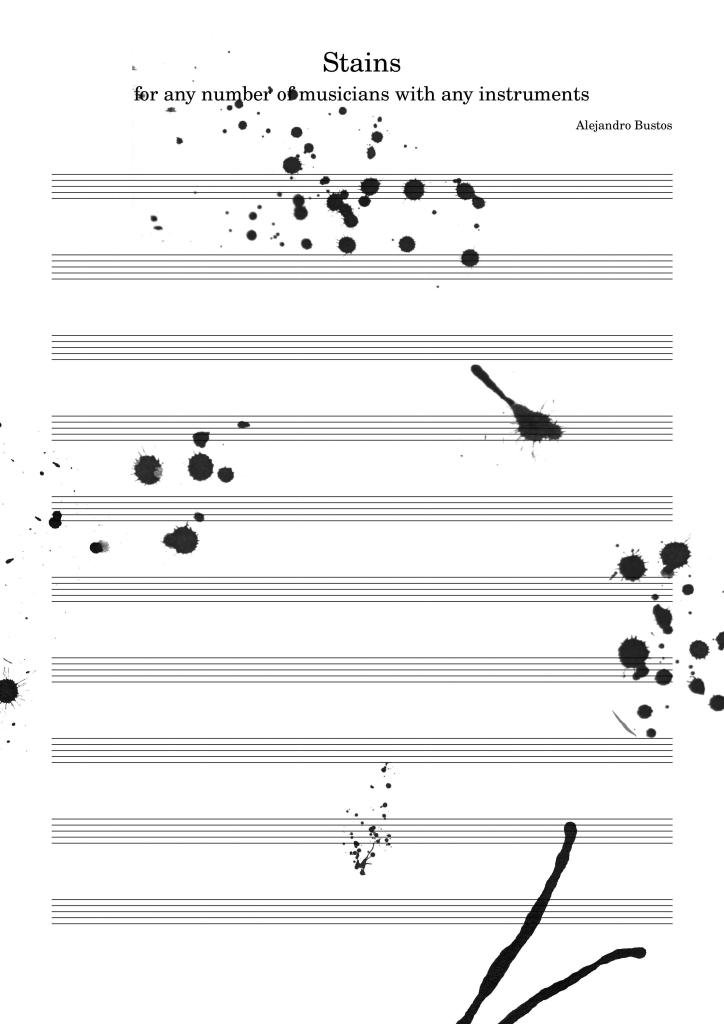
Alejandro Bustos
Stains
Samuel Beckett said that “every word is like an unnecessary stain on silence and nothingness”. how we treat silence in music?
Interpretation by Matt Smiley

Ari Wolff
Score for a New Year
This score is open to interpretation, though intended for a trio. It should sound how a new year feels. This piece comes from a larger exploration around using knots as a form of notation, inspired by the work of Rosaire Appel and other asemic writers/composers.

Simon Cacheux
Not
For a sound installation created around a mechanized orchestra. I walked on countrylanes around the abbey where the installation took place. During those walks, I wrote “map-scores” including feelings, sounds, smells and so on. There are 8 map-scores that where then played by the orchestra, and this is one of them.

Flori Maunders
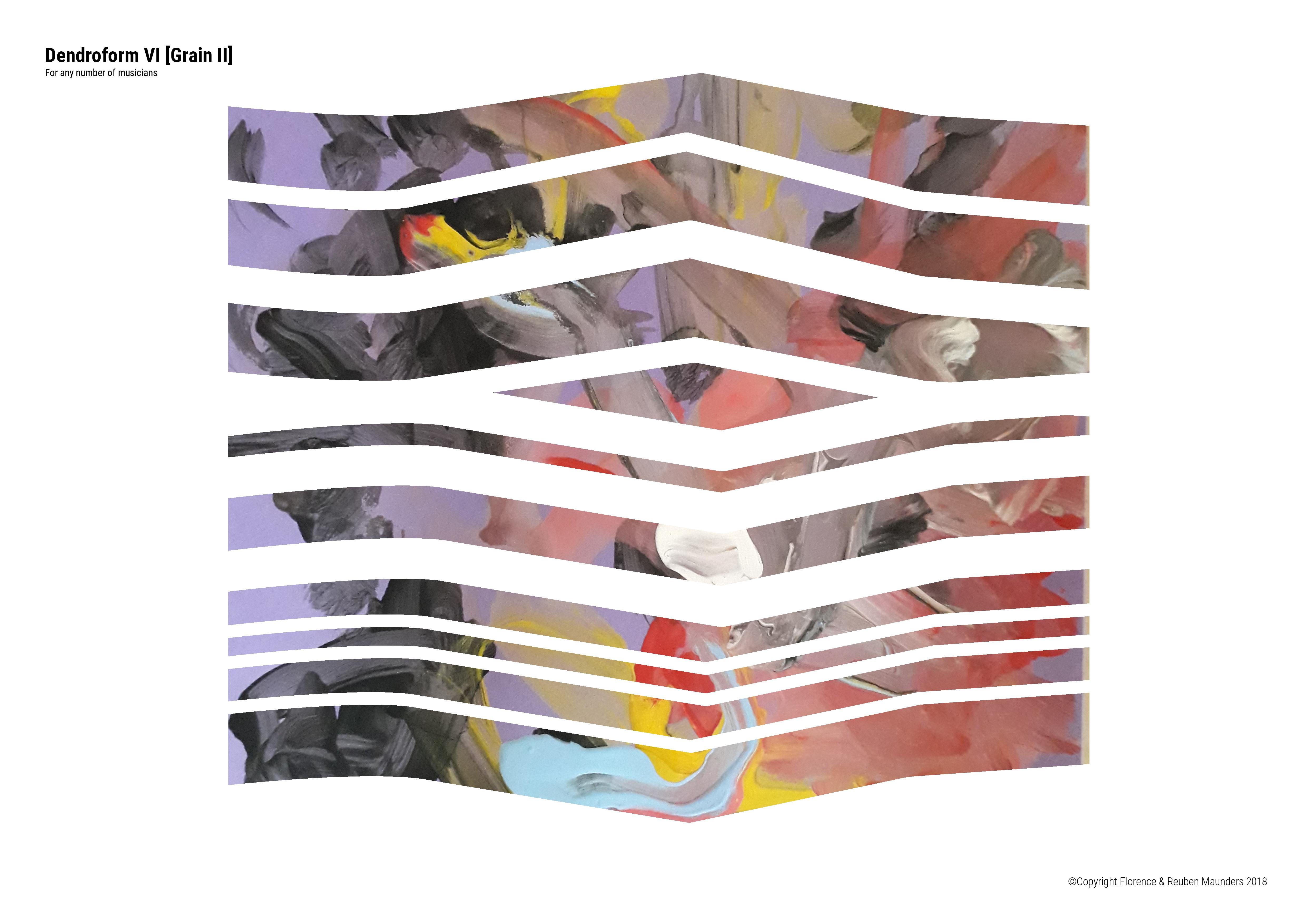
Dendroforms
This piece was the result of a collaboration between me and my son Reuben. Between us we collected, arranged and created pictures and shapes using found materials, including “paints” and “crayons” made from natural pigments such as soil and charcoal. The graphical shapes reflect, in stylised geometrical forms, two naturally occurring tree-shapes – the concentric rings of cross-sections through trees and the parallel lines of wood grain. Juxtaposed with these, are designs evolved from the shapes and colours of found materials gathered on woodland expeditions.The collaborative process threw up a number of surprising images, and these were selectively edited & combined, exploring the use of negative space to turn the images into strips of sound. The piece has since been performed by Northern Contemporary Collective in 2019 and Prism Ensemble in 2020. Click here to view the full 29 page score.

Caminauta
Inspired in an ambient piece, slow motion water movements, the symbolism of the sweet pink colour and peaceful blue with rhythmic elements patterns and atmospheric vibes.
Interpretation by Joe Buchheit
Samantha Van der Sluis
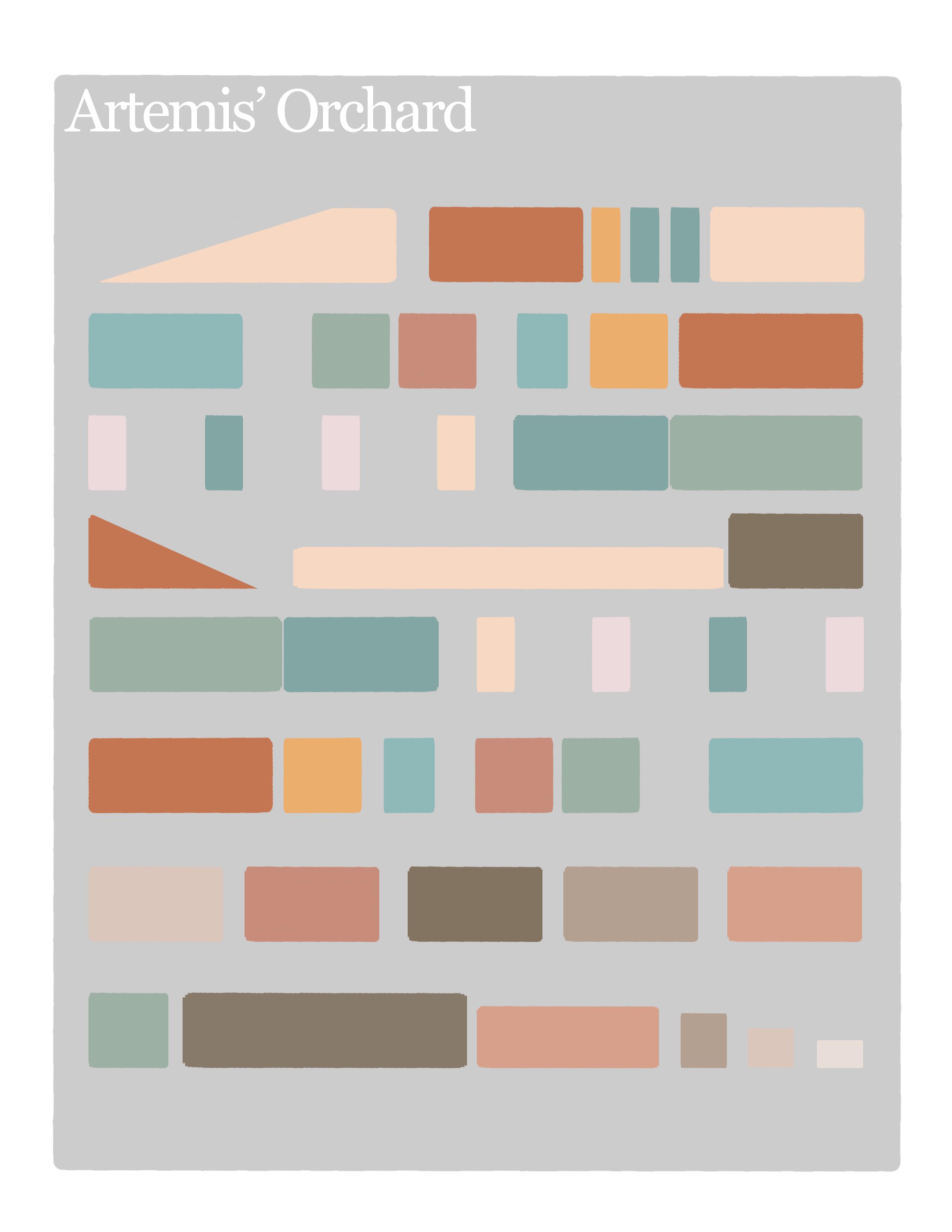
Artemis’ Orchard
Artemis’ Orchard is inspired by the Greek mythology goddess, Artemis, known for vegetation and nature. I love earthy colours and wanted to create a colourful abstract score that musicians can interpret as their own. The differing colours should inspire an emotion or orchestration within the musician (such as softer, sweeter sections, or bold vibrant phrases according to which colour they seem fit). The spacing and shapes also allow for interpretation of rhythm or length of phrasing.

O. A. Chaudhry
Totem, Talisman
Inspired by the work of Butch Morris and Henry Threadgill, both significant contributors to what might simply be called ‘creative music’. Silence is as much ‘composed’ in a piece of music as the parts which we more commonly think of as ‘music’. The score aims to create space for silence, surrounded by ‘shades’ of music. These shades can be interpreted in any way whatsoever. One possible interpretation: there are three layers of sound on top of a layer of silence. These three layers largely overlap, but it is where they do not that the interpretation might hold significance.

Louis Steven Latham
Subject to Interpretation
I teach Electronic Music and Music Notation and I use this as a project for my students to learn more about Graphic Notation. I had always wanted to write a piece with a Graphic score and the need for an example for my courses inspired me to write one.
Interpretation by Elijah Knusten
Eliza Lauren
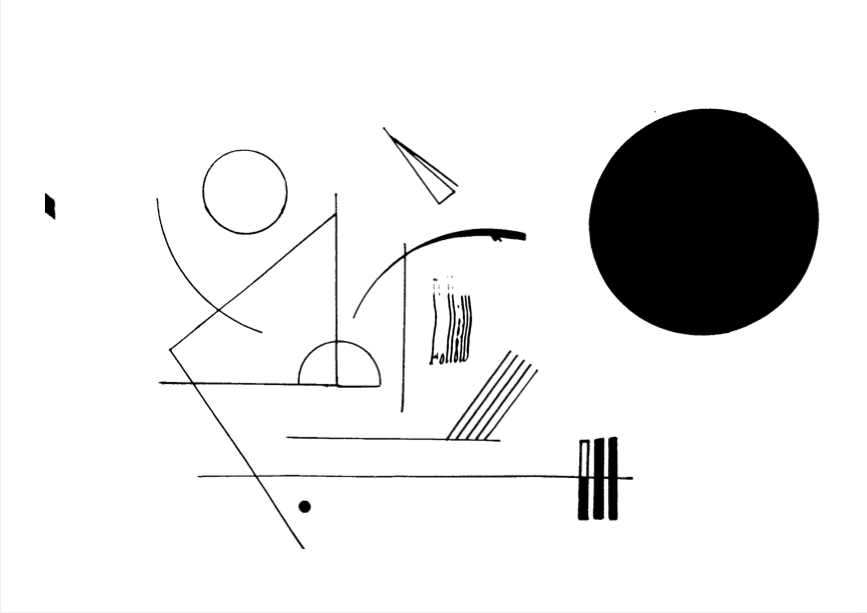
Shapes and Silence (2020)
For ensemble or solo performer. The piece draws inspiration from the early sketches of Wassily Kandinsky. Click here to view the full score.
Interpretation by O. A. Chaudhry (Page 6)
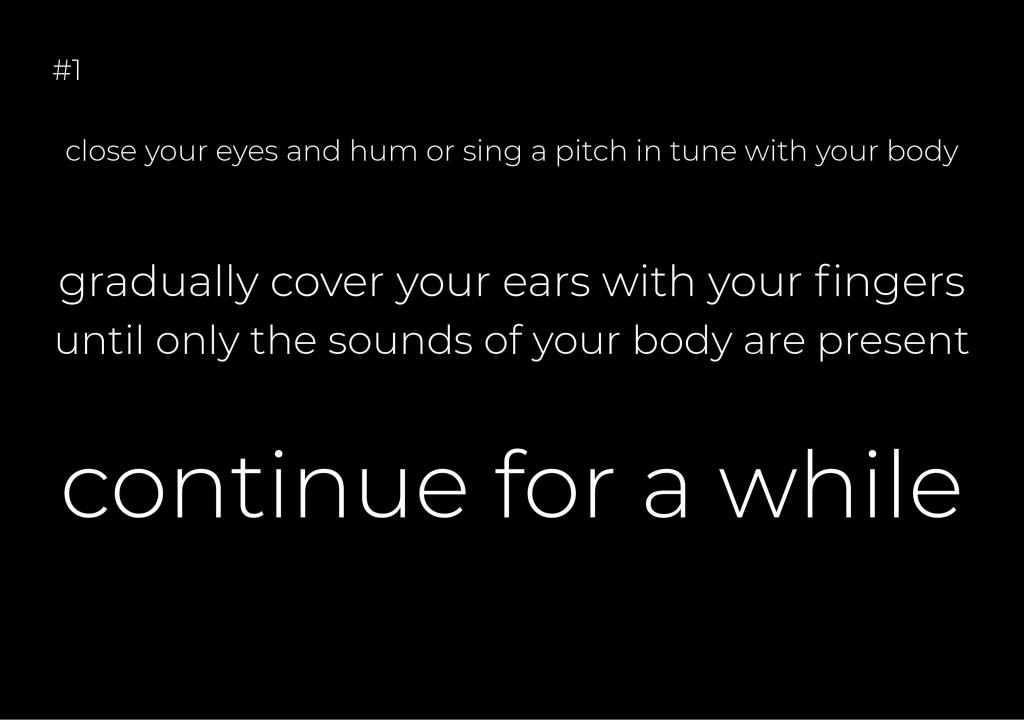


Besingende Gedálland
sonic meditation in 3 parts
A transformation of inner body to outer body sounds // a condensation of the process we went through in sacrificing melodies on the winter solstice. To see results, give us a follow. Record yourself with the #besinge hashtag and we’ll add you to our increasingly (beautifully) dissonant virtual choir.

Belfeld
Score (Ned-Esp)
‘Score (Ned-Esp)’ is a translation of a broadcasted international soccer match into a graphic score. The instructions in the score minimize the chaotic chanting and screaming of 48.173 fans into a palette of standardised reactions that could apply to any soccer match. The performance of the supporters is combined with the arhytmical but percussive sound of the kicking and bouncing of the ball, the centre and fundament of the game, which is originally intended for percussion. (If you are interested in recording an interpretation of this piece, get in touch via email for additional information)

Belfeld
Dutch Railroad Crossing
A Dutch railroad crossing seen as a musical object; the auditory rhythm of the ringing bells, clashing with the visual rhythm of the flashing warning lights, combined with the crescendo and decrescendo of a passing train. For an example of the inspiration behind the piece: https://youtu.be/Db4-5eXFbTo?list=PLWOrGgZsQumD_l4hMJ1OQlMsjfEHQuN1n

Ethan Caldwell
Rate of Flow
This piece has been quite an experiment for me, as I am much more familiar with traditional stylings. The piece explores a variety of colors attempting to express different styles and energy levels as the piece starts slow, reaches a vigorous climax towards the middle, and returns to a nice calm towards the end. Experimentation and freedom of expression is of course encouraged.

Matt Smiley
Minefield
I was trying to write some graphic scores after being influenced by Cardew and Fluxus composers, and I had a group of improvisers I was playing with at the time who would play what I was writing.
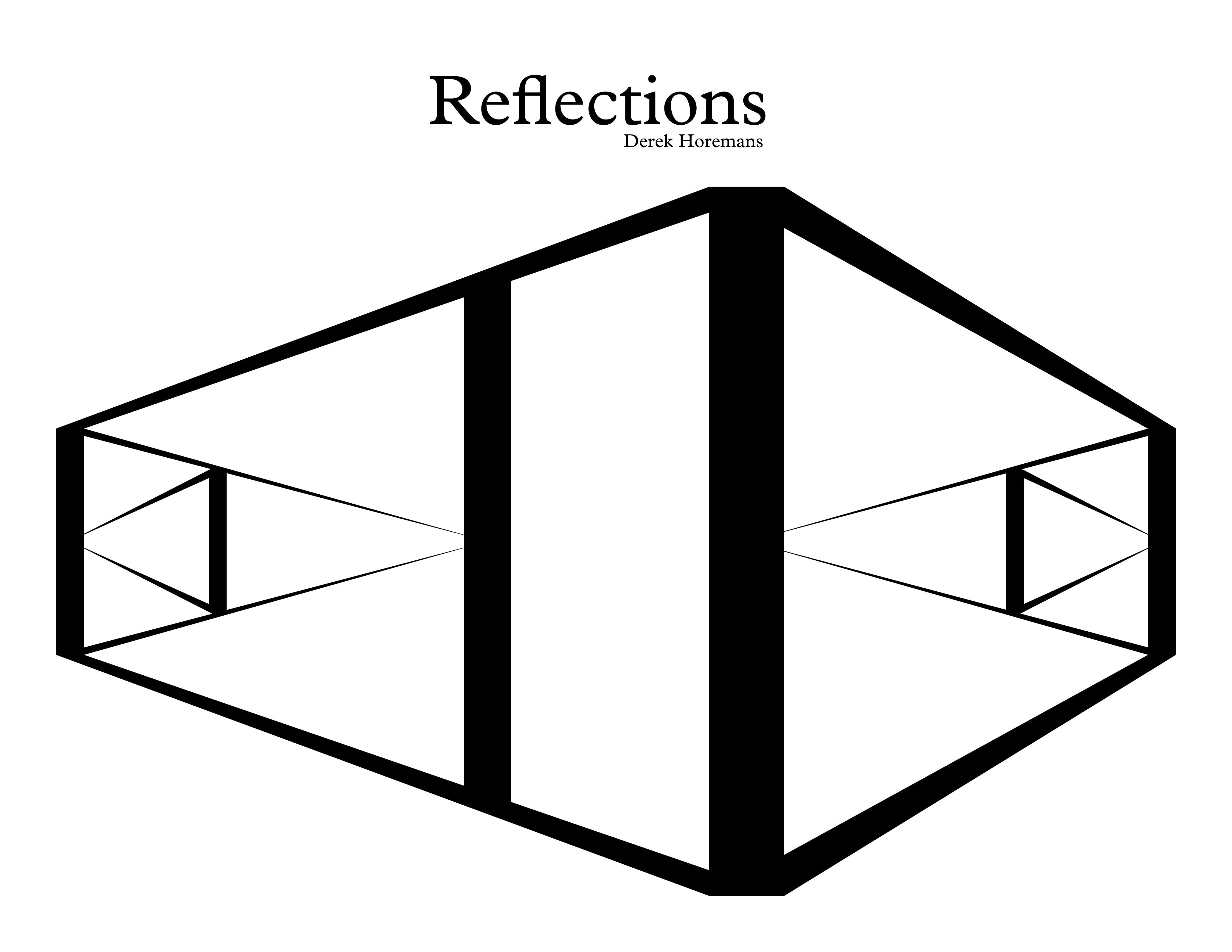
Derek Horemans
Reflections
A meditation on the golden ratio, all of the vertical line’s characteristics are based on the golden ratio: Spacing, thickness, and height. A personal reflection on what shapes music tends to take, and the structures that underpins it.
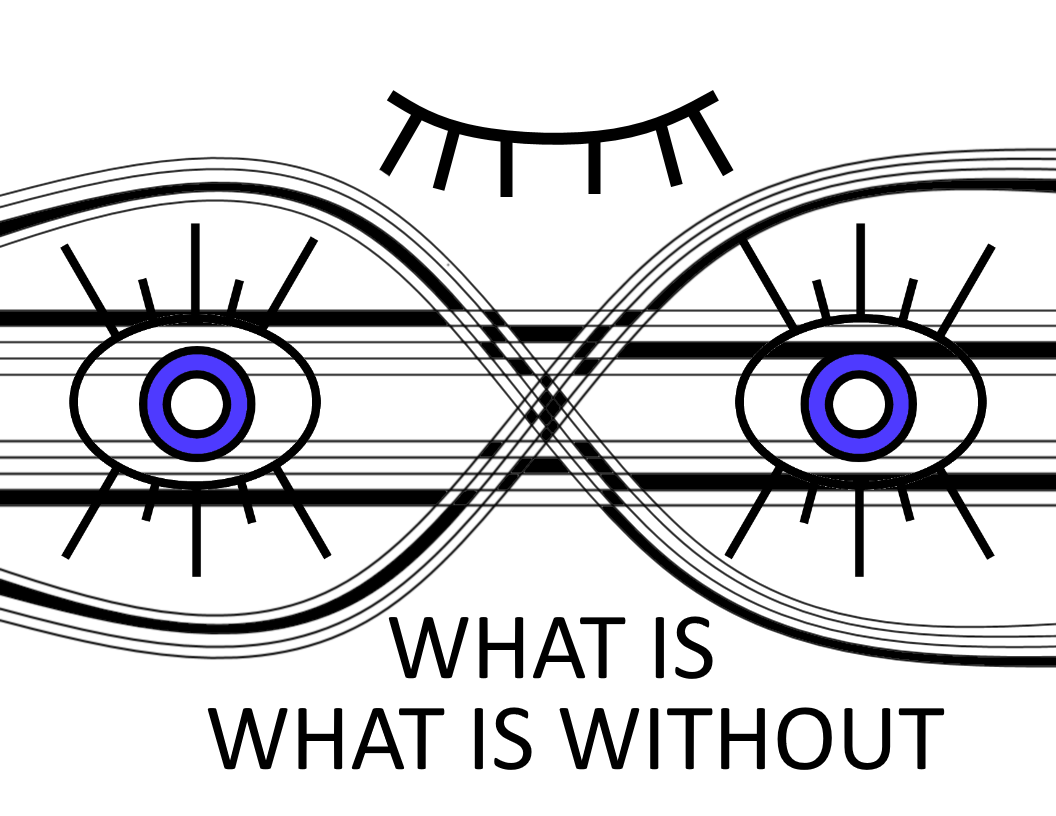
Evan Gedert
Without
This score explores the idea of seeing the unseen. Sometimes what isn’t there is more important than what is.

Maestro Phil
Mona Lisa
Eye music originally for 12 synthesizers at performers choice. Wanted to see if it could be done.

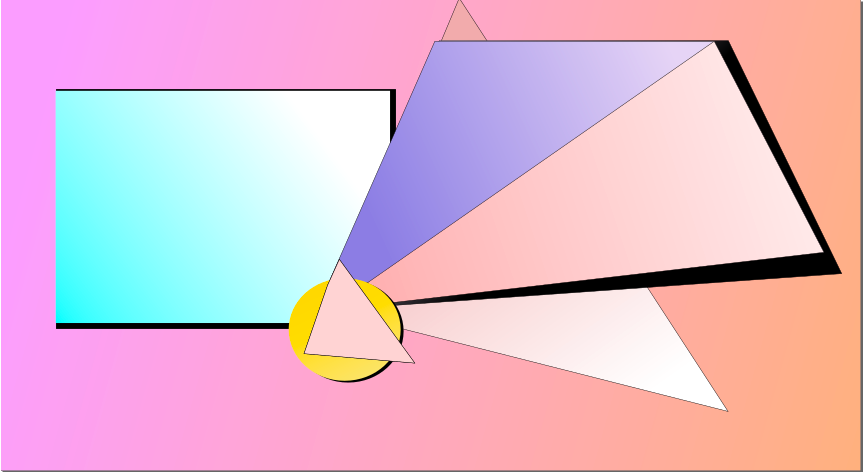
John
Resonance
Open to interpretation, a piece the draws heavily on Treatise by Cornelius Cardew. Different Shades and colours are to be freely interpreted by the performer.
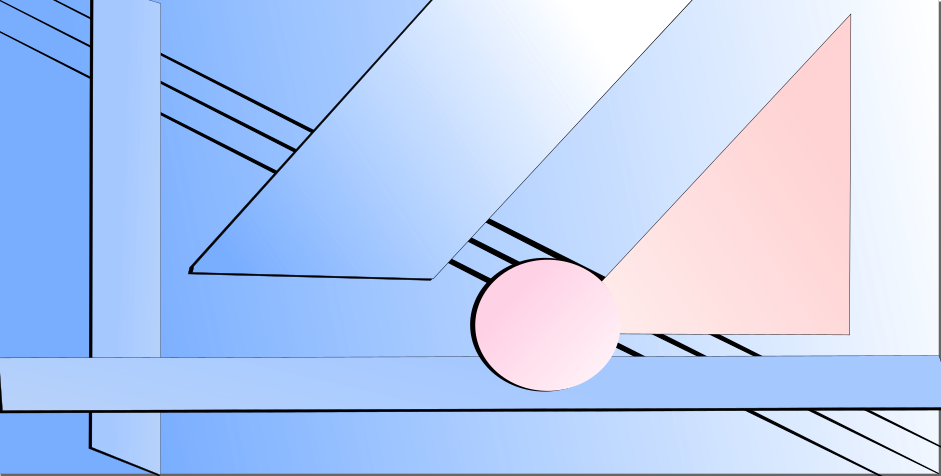

Michael Karr
Salve, Regina dei dolci!
This score is inspired by the chemical processes undergone when preparing an exquisite cake. These shapes are represented in graph form, but the performance goes not have to be chromatic, key may be freely decided. The recipe for the cake is open, and feel free to use your own flavors, but should reflect the structure and basic ingredients described below. To make the most exquisite cake: 1) break 6 eggs, 2) drop 6 egg whites into a bowl, 3) place on a flame and do make certain: 4) that they are well beaten.
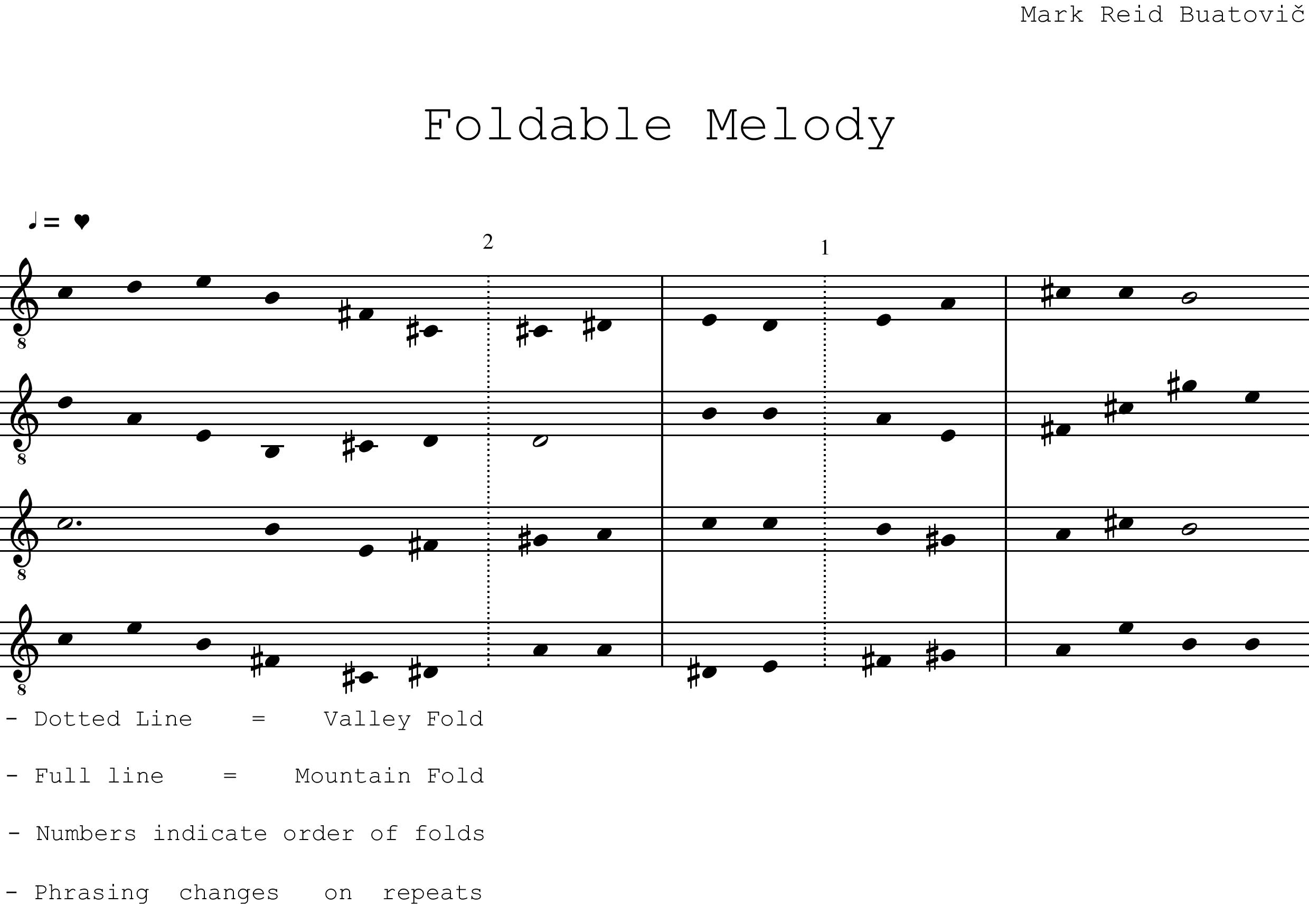
Mark Reid Bulatovič
scorigami #1
Print out (or write out) and follow the score folding it according to the instructions printed. Repeat and fold

Eliza Lauren
Four Exercises for Ensemble
A collection of text scores for ensembles, to be performed individually or together, in any oder. Inspired by Pauline Oliveros’ Sonic Meditations, these scores are open to interpretation. Click here to view full score.
Interpretation by Andreja Andric (Exercise 1)
Interpretation by Andreja Andric (Exercise 4)

Eliza Lauren
Sunday, 5:32pm
Chance processes were used to determine random colours and numbers. The title is also a randomly generated date (you may choose to perform the piece at this time if you wish)
Assign a different melody to each square, shifting between them. You may choose to incorporate the numbers or ignore them
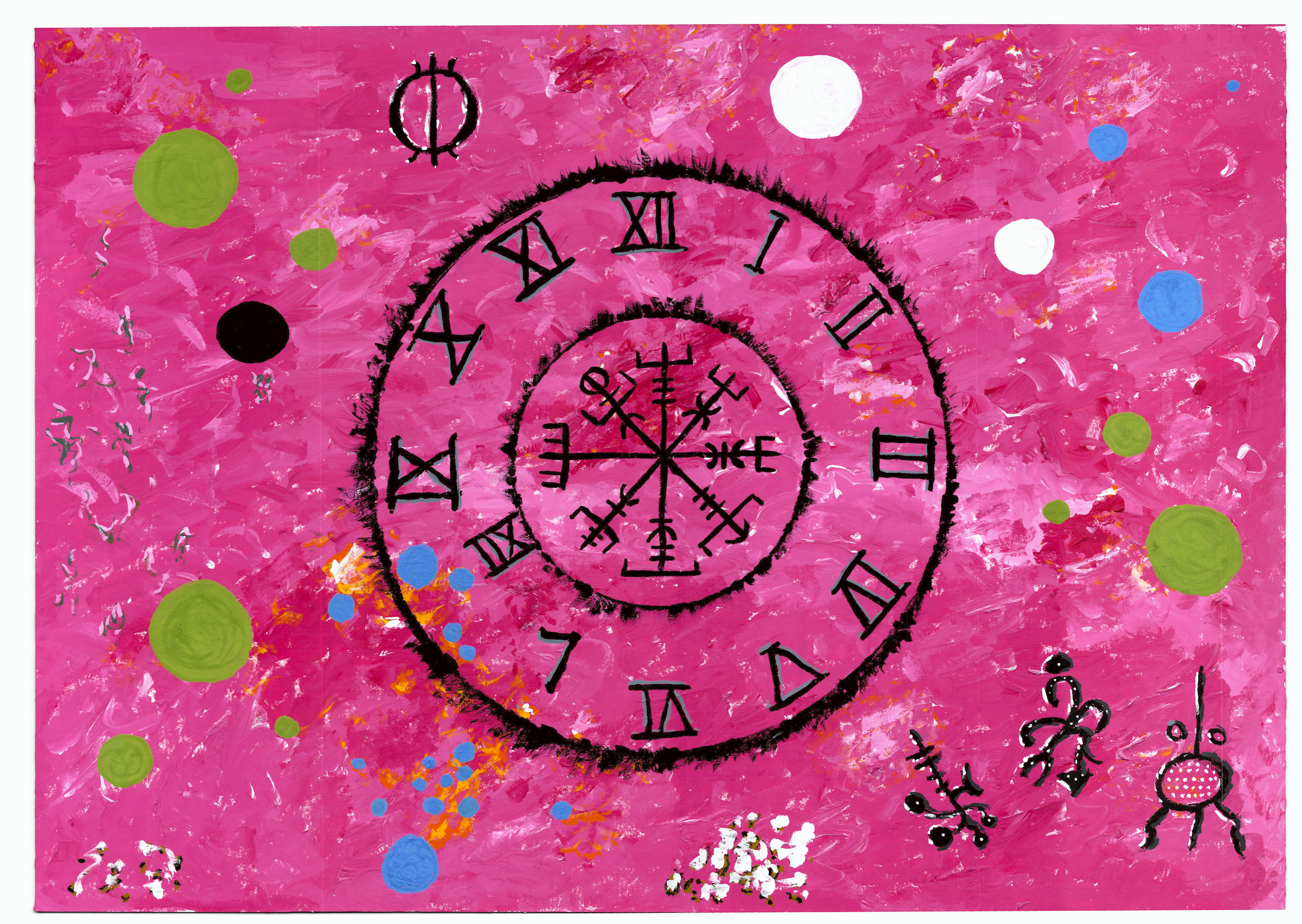
Russell Wimbish
Le temps est écoulé!
No real story, but it does come with a few simple instructions:
This is a piece for an ensemble of any size. The ensemble must determine the duration of the piece prior to performance. Times may be approximate (for example, five minutes and fifteen seconds) or generalised (about half an hour). Performers determine the meaning of the graphic notation. No performer is required to perform every graphic, nor is any performer required to perform for the entire duration of the piece.

Andersen VIANA
ESTRUTURAS (Structures)
The music goes at many directions simultaneously and I am always curious to learn what I can learn from any these interesting trends. My last attempt to the music is my Graphic Scores with participation of one of our best Visual Artists REGINA MELLO. Click here to view the full score.

Li Cheuk Shing
Tree
The tree was inspired by the tree of life (Kabbalah). I learn that image from my ethnomusicology class and I had deep impression with the shape of life of tree. At last, I decided to make it as a score and perform it

Mui Man Sze, Gloria
Evadere Locus
“Evadere Locus” is a map for human escape. The inspiration to create this piece was electrical circuits diagram that I found on the Internet. And the outdoor game “Escape Room” was popular in Hong Kong in the past few year. So it sparked me imagination to produce this work. Click here to view the score and instructions.

Matthew Lee Knowles
The End – I Worship The End
This was made as part of a collaboration with an artist, the original score is now unrecognisable, I think it’s been bathed in glue, melted, burned and attached to a canvas inside another painting….!
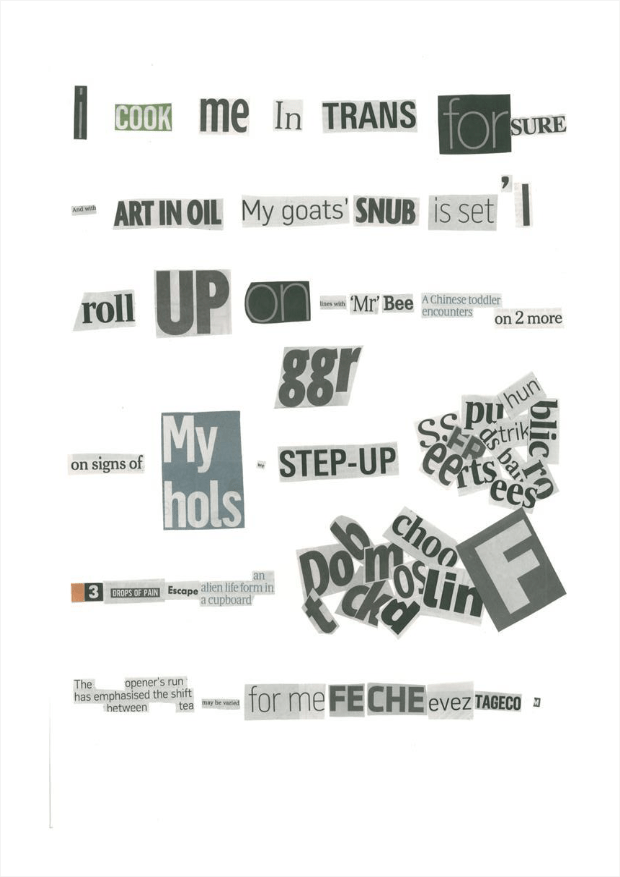
Alexis Porfiriadis
Aria for Voice(s)
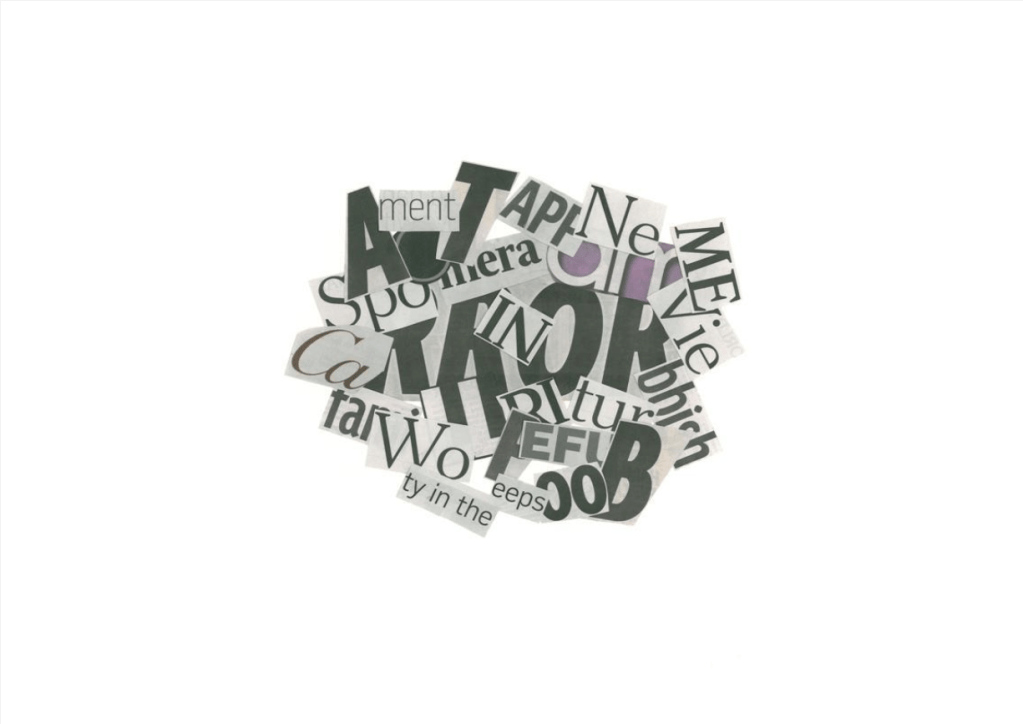
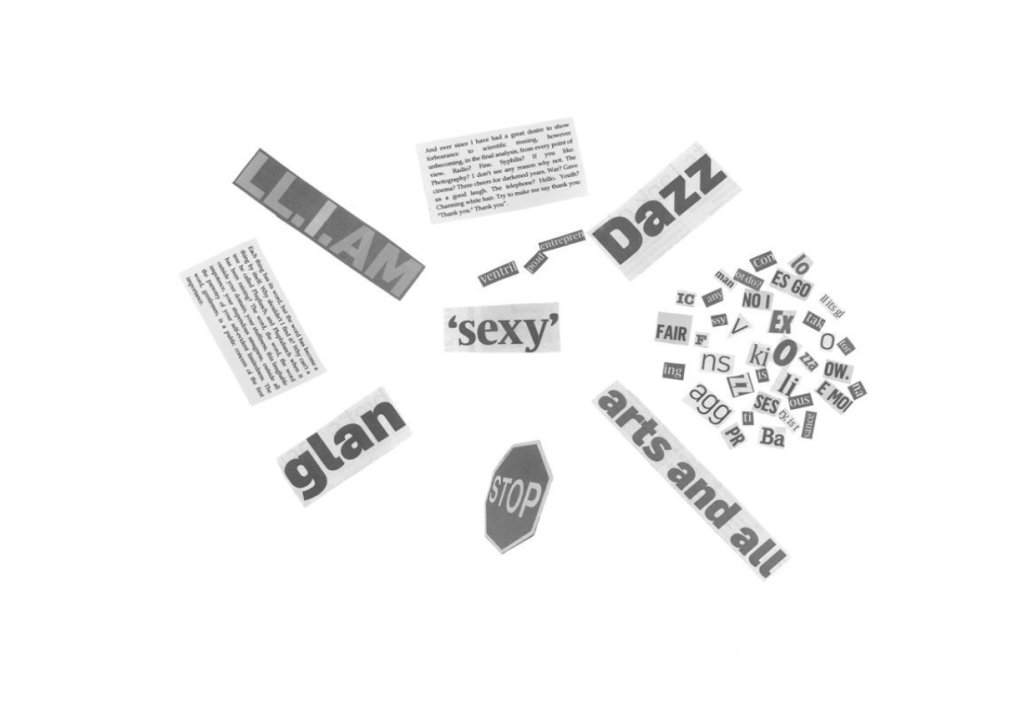
Aria is an open form score for voice. Performer(s) may use any amount of the verbal and graphic notations to design their own performance. The graphic part of the work consists of 10 pages of collages, with letters and words from UK newspapers as well as quotes from texts by André Breton, Jacques Vache, Hugo Ball and Tristan Tzara. If a performer decides to use the graphic scores in Aria, s/he should make use of the specifique ‘mood’ list, given in the score, for every action they perform. The moods can be performed in one of the following modes: casual speaking, ‘whispering’, ‘nasal’ and ‘as fast as you can’. The graphic pages of Aria are an open field of opportunities for performance. The ways of performing the pages are endless. Click here to view the full set of scores.

Vincent Giles
threads
This is a whole book of pieces that have been developed over a number of years, inspired by the idea of algorithmic music (but more accurately, pseudo-code-based algorithms) for humans. When I started it there was a lot of objection to “computer music” as being so “unhuman” and whatnot, and so I liked the idea of using pseudo-code based instructions as seeded improvisation prompts for any number of players. So it’s a bit of a flip-of-the-bird toward the naysayers, but also what I think is an interesting exploration, and interrogation of, the score-as-a-set-of-instructions more broadly. Click here to view full score.
Andreja Andric
Breath of Vacancy
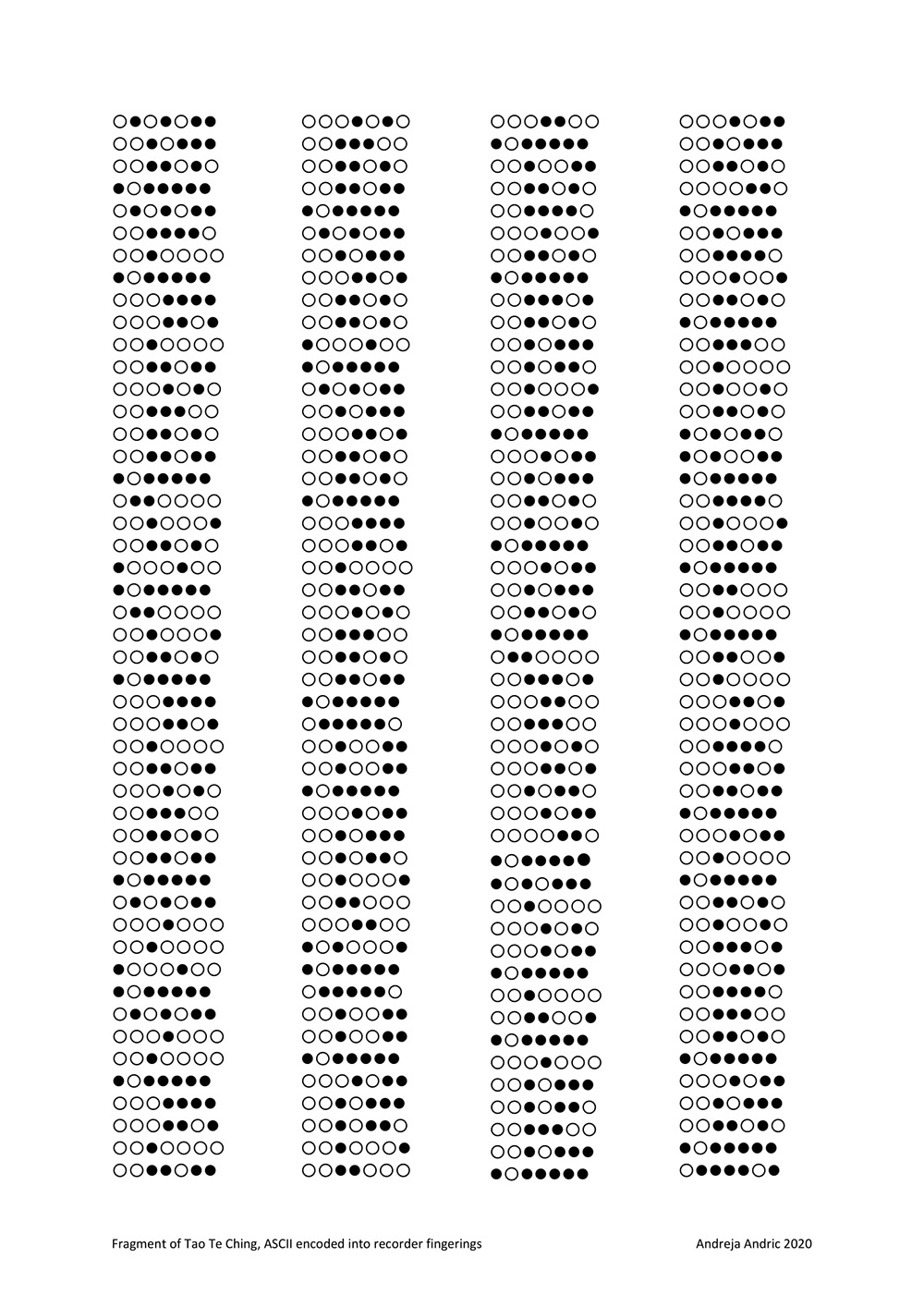
Breath of Vacancy is a meditative exploration of sound based on encoding of the book Tao Te Ching. The work is scored for any number of recorders and any number of electronic sound sources. Each breath-long recorder tone corresponds to a letter or a space from the book, ASCII-encoded into a recorder fingering. The electronic part consists of free layerings of the sound part from my video work 60 Chords 60 Colors. The interplay of the flute and electronic sounds creates a directionless and timeless, yet ever-changing soundscape, echoing the ideas from Tao Te Ching of doing nothing with a purpose, teaching without words, and the advantage arising from non-action.
Interpretation by Małgorzata Żurada & Andreja Andrić
Breath of Vacancy was created for
the opening of the exhibition Liminoid Shrine by Małgorzata Żurada at
Demo Room at Galleri Image, Aarhus, Denmark, January 31st 2020.

Andreja Andric
Pentathlon
Pentathlon stands between endurance-based performance art and improvised music. Five recorder players test their mental and physical endurance (and possibly the nerves of the audience) in exploring shrill notes and combinations of open, closed and semi-closed holes on their instruments. Inspired primarily by sport competitions, the work insists on physical strength and endurance. With its root in noise music, the work attempts to create an ear-splitting wall of sound based on physical strength (of the lungs) alone. The performers follow a set of instructions asking them to strive to achieve as much as possible to reach five different and mutually contradictory goals at the same time (hence the title). The work tensely balances on the edge between a heroic vision of giving the most of oneself in an art performance, and of striving for the impossible, and a likely comical outcome of not measuring up.
Ild i dit ansigt & Andreja Andric
Matt Hannafin
One Hand, Two Hands
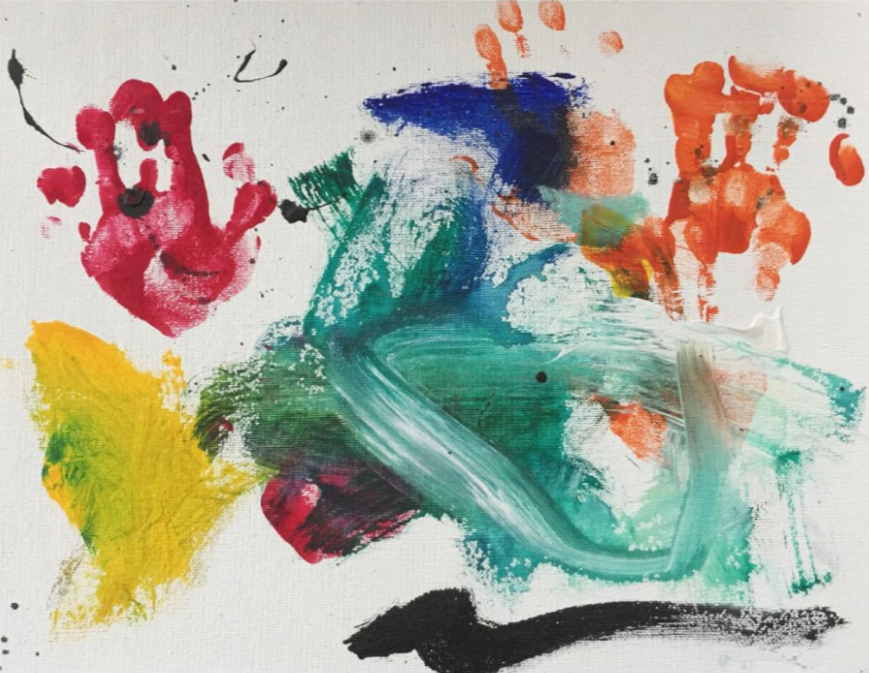
“One Hand, Two Hands” is part of a series of one-page scores I’ve been developing over the past five years, all of them designed to be creative partnerships between me and the performer(s). In this piece, the creativity is extended to a third partner: a small child of the performer’s choice. Click on the painting to view instructions. More scores are available via the link on the Contributors page.

Ioanna Valsamara
Delimitations
Delimitations: limitations defined by the researcher. The composer creates borders and includes inside of them an unpredicatble soundscape made of words. Delimitations is then collection of 30 graphic scores that have no structural connection with each other. The purpose of these scores is to provide ideas for improvisation sessions and not to build a “piece” by combining them. Every score in Delimitations is an autonomous unit. Performers are invited to make a group realization of the composition using this material. The resultant realization should be the product of a conversation between the performers and it should by no means be decided by one single person. While working on the graphic procedures of the piece, performers are invited to discuss and agree on the ways they will translate the graphics musically. The members of the group don’t have to standardize exactly what they are going to do, but they should have an idea of how every member understands the graphics. It is desirable that a minimum of common understanding on the performance of the graphics would be collectively achieved. Click here to view the full collection of scores.
Performers: Yorgos Holopoulos, Prodromos Koukos, Lina Koukouli, Ioanna Valsamara (graphic 16: Transparent sounds become visible)
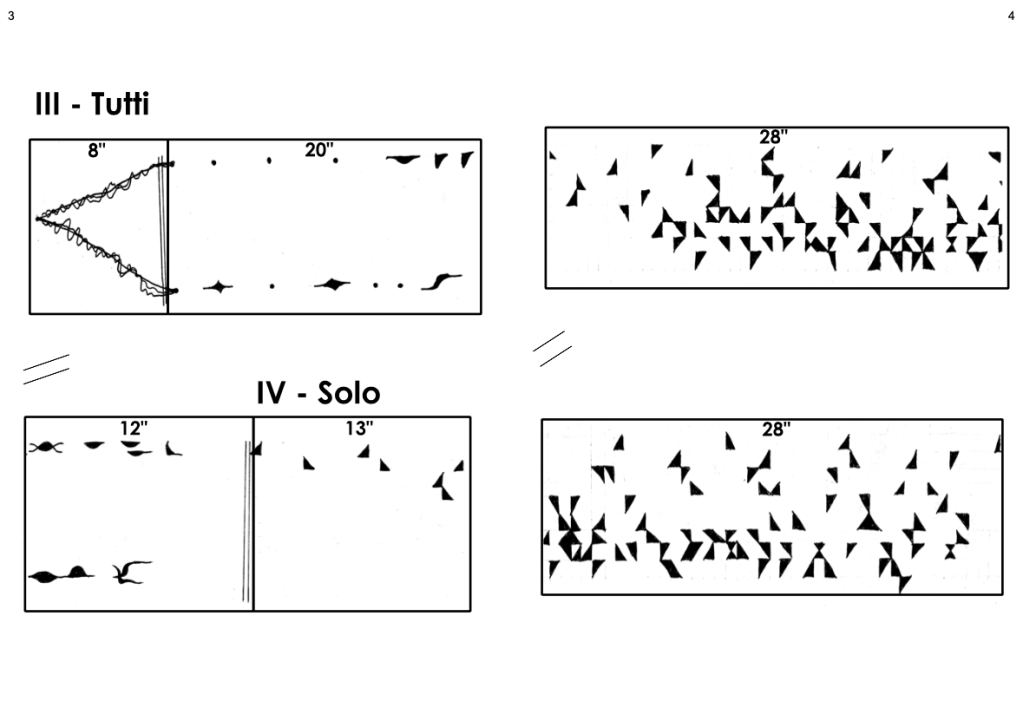
Willyn Whiting
Gaudy
I was already using graphics to pre-compose and decided that it was worth my time to make a purely graphic score. I was given a sketchbook at the time, which I wanted to put to use. Click here to view full score.
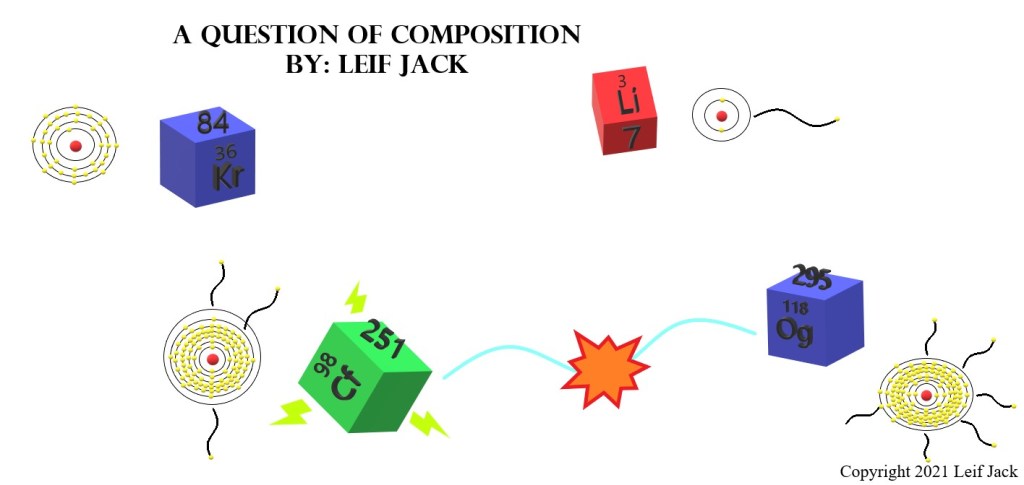
Leif Jack
A Question of Composition
The inspiration for this graphic score was Josefa Ntjam’s artwork “Luciferin Drop”. The artwork was part of larger exhibit of Ntjam’s work which had the theme of dark matter and revealing the unknown. “Luciferin Drop” in particular is a large flask held up by black, wispy feet, and in the flask is a mysterious fluorescent green liquid. With my score, I provide possible elements that could make up the flask’s green liquid. The most crucial aspect of my score however, is that the performer researches the properties of the elements for themselves, and express musically what they feel is most interesting about the elements represented on the score.
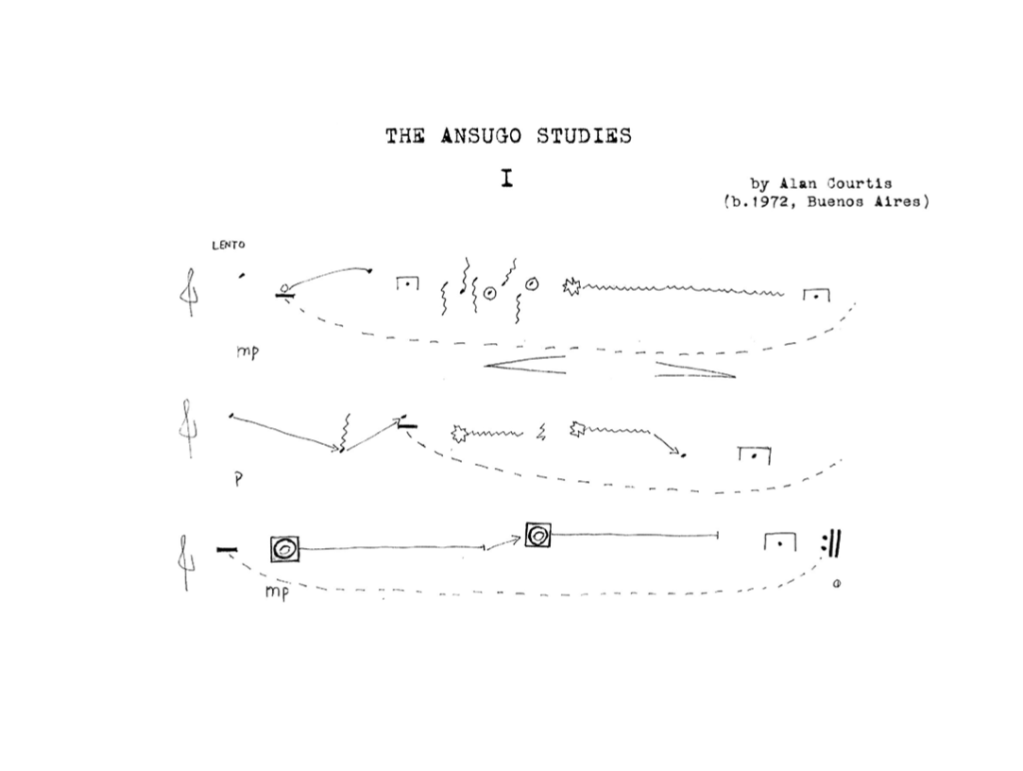
Alan Courtis
The Ansugo Studies
The Ansugo Studies” are 3 studies open for any line-up which were originally published on the “Deep Listening Anthology Vol. 2” (Deep Listening Publications) and later reprinted on the “Tonebook” (Inpatient Press). Click here to access the full score.
 GRAPHIC SCORE EXCHANGE